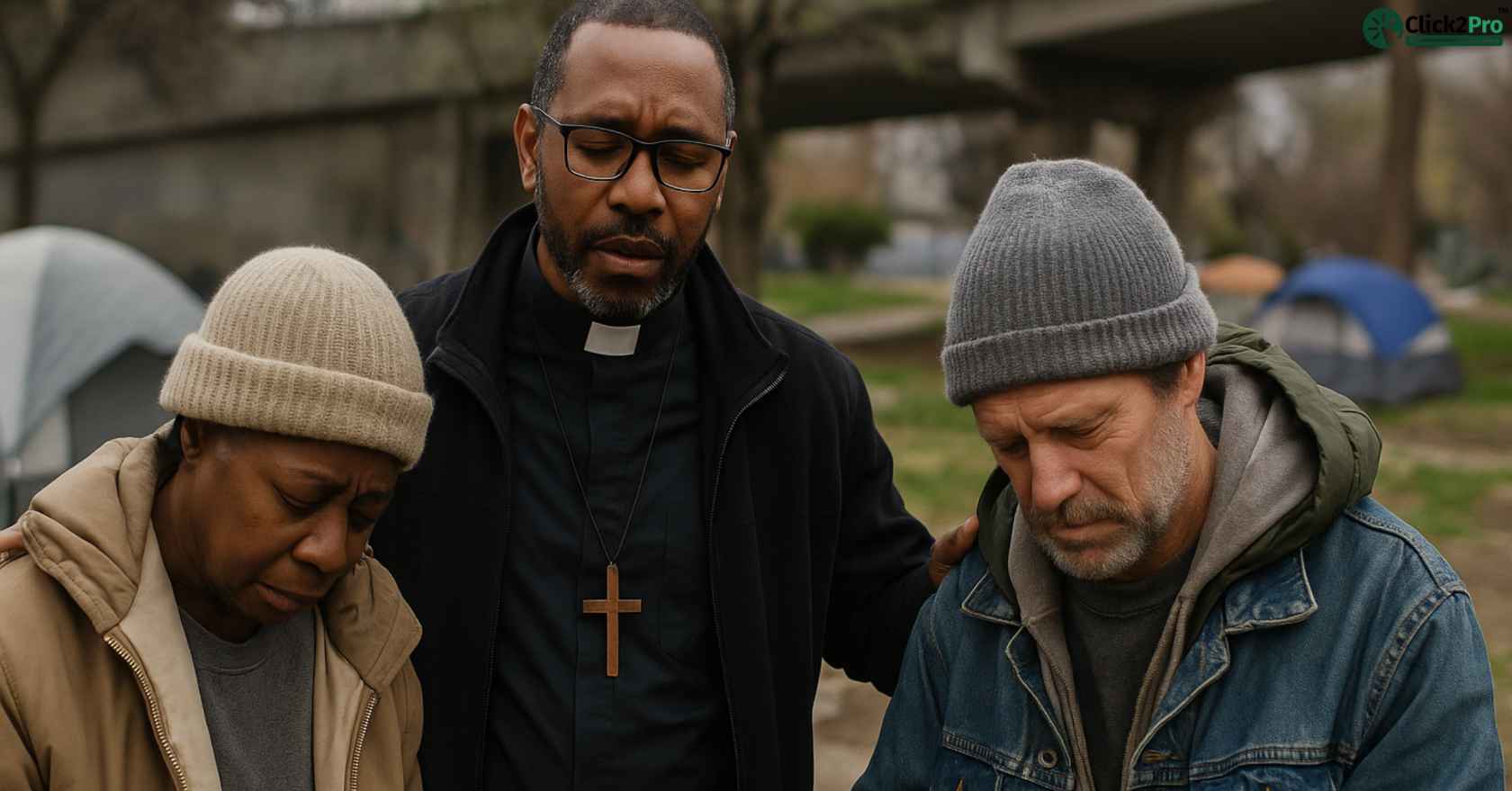
 Addiction can create a painful sense of isolation. You may pull away from family, friends, work, or your church because of shame, fear, or the belief that no one could understand what you are going through. Yet recovery does not have to happen in isolation. For people whose faith is an important part of their lives, a healthy church community can provide encouragement, connection, accountability, and spiritual support while professional addiction treatment addresses the physical, emotional, and behavioral aspects of substance use.
Recovery involves much more than stopping the use of drugs or alcohol. It often means rebuilding relationships, developing healthier coping skills, addressing mental health concerns, rediscovering purpose, and learning how to respond to stress without returning to substances. With the right support system, faith and professional treatment can work together to help you build a healthier and more stable life.
Why Connection Matters During Addiction Recovery
Addiction often thrives in isolation. When someone feels ashamed or afraid of being judged, they may stop talking honestly about what is happening. Over time, withdrawing from others can make substance use feel even more difficult to escape.
A supportive church community can provide a healthy source of connection.
Being around people who care about your well-being can remind you that addiction does not define your entire identity. You are still a person with relationships, values, abilities, hopes, and a future worth protecting.
Finding Someone You Can Trust
You do not have to share your entire story with everyone in your church.
Instead, consider identifying one trustworthy person who can listen without judgment. This could be a pastor, ministry leader, mentor, close friend, or another person who understands the importance of discretion and appropriate boundaries.
Sometimes the first conversation is simple:
“I am struggling, and I need help.”
That statement can open the door to meaningful support.
A trusted person does not need to provide treatment or solve your problems. Their role may simply be to listen, encourage you to seek professional help, pray with you if that is meaningful to you, and remind you that asking for support is a sign of honesty rather than failure.
Practical Ways Church Community Can Support Recovery
Church involvement can become especially valuable when support goes beyond words and becomes part of everyday life.
Encouragement During Difficult Days
Recovery can involve cravings, emotional stress, family conflict, loneliness, and moments of doubt. Even when you are committed to change, difficult days can happen.
A supportive church member might check in with you, invite you to an activity, pray with you, or simply ask how you are doing.
These small actions can make a significant difference because they create connection when isolation feels tempting.
Building Healthy Routines
Structure is often helpful during addiction recovery.
Church services, small groups, volunteer opportunities, Bible studies, community projects, and other healthy activities can give you positive ways to spend your time. They can also create opportunities to develop relationships that are not centered around substance use.
Healthy routines do not replace addiction treatment. However, they can reinforce the changes you are making through treatment by helping you develop a lifestyle that supports recovery.
Offering Practical Support
Recovery can involve practical challenges as well as emotional ones.
Someone may need transportation to appointments, help finding community resources, assistance with everyday responsibilities, or encouragement while returning to work or rebuilding family relationships.
A church community may be able to provide appropriate assistance or help connect someone with local resources. Removing practical barriers can make it easier to follow through with professional treatment and other recovery commitments.
Faith and Professional Addiction Treatment Can Work Together
Faith can be an important source of meaning and hope, but addiction is also a serious condition that may require specialized treatment.
Professional addiction treatment can address the physical, psychological, behavioral, and social factors connected to substance use. Depending on individual circumstances, treatment may include counseling, mental health care, inpatient services, outpatient care, recovery planning, and ongoing support.
Church involvement can complement this work without attempting to replace it.
When Inpatient Treatment May Be Needed
Inpatient treatment provides a structured environment where a person can focus on recovery away from substances, triggers, and some of the pressures of everyday life.
For someone beginning recovery, this structure can create space to work closely with treatment professionals and develop healthier coping strategies.
During inpatient care, appropriate church support may still be meaningful. Encouraging messages, prayer, approved visits, or continued contact with trusted members of the congregation can help someone maintain a sense of connection while receiving intensive care.
How Outpatient Treatment Fits Into Recovery
Outpatient treatment allows individuals to receive professional support while continuing to live at home and manage responsibilities such as work, school, or family life.
This can be an important stage of recovery because individuals are applying new coping skills in their everyday environments.
A healthy church community can provide additional social and spiritual support during this process. However, church members should respect the individual’s treatment plan, privacy, and boundaries.
Addressing Mental Health Alongside Addiction
Addiction does not always occur by itself. Some people struggle with depression, anxiety, trauma, grief, chronic stress, or other mental health concerns at the same time.
These issues can influence substance use and may make recovery more complicated if they are left unaddressed.
Looking Beneath the Substance Use
For some individuals, drugs or alcohol become a way to cope with emotional pain. Substances may temporarily numb difficult feelings, reduce anxiety, or provide an escape from problems.
But those effects do not resolve the underlying concerns.
Professional mental health treatment can help individuals understand their triggers, recognize unhealthy patterns, develop coping skills, and work through emotional challenges in a structured environment.
Church support can complement this process by providing relationships where people feel accepted and connected.
Creating a Safe Environment for Honest Conversations
Mental health concerns can carry significant stigma. Someone may attend church regularly while privately struggling with depression, anxiety, trauma, or overwhelming stress.
Church communities can help by making it clear that seeking professional mental health support is not a failure of faith.
Church leaders and members do not need to diagnose mental health conditions. Instead, they can listen, offer appropriate encouragement, and help individuals connect with qualified professionals when additional care is needed.
Accountability Without Shame
Accountability can play an important role in addiction recovery, but healthy accountability should encourage honesty rather than create fear.
A trusted person might ask how treatment is going, encourage you to stay connected with your recovery plan, or remind you to reach out when you are struggling.
Focus on Honesty and Progress
Recovery is not about becoming perfect.
There may be difficult moments, unexpected triggers, or setbacks. Responding to those situations with shame can make someone more likely to withdraw.
Healthy accountability focuses on what happens next.
If a person struggles, the goal should be to encourage honesty and reconnection with their treatment team and recovery supports. Asking for help early can prevent a difficult moment from becoming a larger crisis.
Respect Individual Needs and Boundaries
Not everyone wants the same type or level of church involvement.
One person may want frequent prayer and fellowship. Another may prefer support from a small circle of trusted people. Someone else may want their church involvement to remain separate from certain aspects of treatment.
Individualized recovery recognizes these differences.
The most useful support is respectful, appropriate, and centered on what helps the individual move toward healthier choices.
Building a Recovery Support Network
You do not need to rely on one person to carry your entire recovery journey.
A strong support network may include:
- Addiction treatment professionals
- Mental health counselors
- Medical providers when appropriate
- Family members
- Trusted church leaders
- Faith-based friends
- Peer recovery groups
- Community resources
Each source of support can serve a different purpose.
Treatment professionals provide specialized care and guidance. Family members may help rebuild trust and stability. Friends can provide companionship. Church communities can offer fellowship, spiritual encouragement, opportunities to serve, and healthy relationships.
Together, these connections can create a broader foundation for recovery.
Let Faith Support Your Whole-Person Recovery
If faith is important to you, it can remain part of your recovery journey.
Prayer, worship, Scripture, fellowship, service, and spiritual reflection may help you reconnect with your values and sense of purpose. For many people, faith can provide an important source of hope during difficult periods.
A holistic approach recognizes that recovery involves more than substance use. Physical health, emotional well-being, relationships, personal values, mental health, and spiritual life can all influence the process.
At the same time, faith should work alongside appropriate professional care. Spiritual support and clinical treatment can serve different but complementary roles.
You Do Not Have to Recover Alone
Addiction can make you believe that you need to hide your struggles. Recovery offers another possibility.
You can reach out.
A supportive church community can provide fellowship when you feel isolated, encouragement when recovery becomes difficult, accountability when you need structure, and practical support when everyday challenges feel overwhelming. Professional addiction and mental health treatment can address the deeper issues that require specialized care.
Whether inpatient or outpatient treatment is appropriate depends on individual circumstances. The important step is finding support that matches your needs rather than trying to handle everything alone.
If addiction is affecting your health, relationships, faith, or daily life, consider taking one honest step today. Talk with someone you trust. Contact a qualified treatment professional. Ask about available addiction recovery and mental health services, and explore what type of individualized care may be appropriate for you.
You do not have to have every answer before asking for help. You only need to be willing to take the next step.
Recovery can begin with connection, honest conversation, professional support, and the understanding that you do not have to walk through the process alone.